


No, I'm Not Human
No, I’m Not Human is a chilling horror experience built on one brutal question: Can you trust your own eyes? Set against a backdrop of nuclear panic and total isolation, the game traps you inside a darkened house where survival depends entirely on your ability to spot what isn't quite human. Every knock on the door tightens the vice of anxiety. You aren't fighting monsters with traditional weapons; you are fighting crippling doubt with pure observation. In No, I’m Not Human, one wrong call doesn’t just cost you sleep - it costs a life.
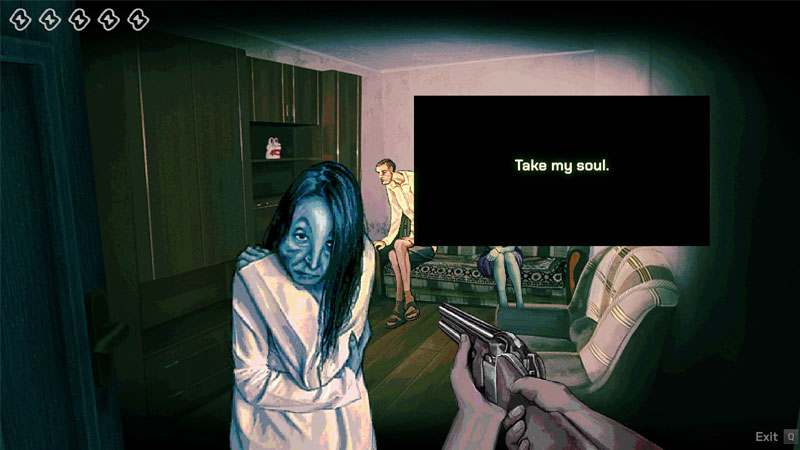
The cruel constraint: One look is all you get
The core mechanic is deceptively simple: Inspect, decide, and live with the consequences. When a knock echoes through the house, you approach the door to peer through the peephole.
However, the game imposes a genius limitation: you are allowed to examine only one feature - either the eyes or the mouth. There is no second glance and no cross-checking. By starving you of information, the game transforms minor facial irregularities into existential threats. Is that slightly stiff smile caused by nuclear stress, or is it something wearing human skin? You make the call. If you're wrong, the person inside won't survive until dawn.
The anatomy of dread
Knock that freezes your blood
The sound design turns every approaching footstep into psychological torture. The oppressive silence between visitors is just as terrifying as the knock itself. The door isn't just a barrier; it serves as a moral and survival checkpoint where your instincts are the only thing standing between safety and slaughter.
A calculated gamble of observation
Choosing which facial feature to inspect is a strategic gamble. Monsters hide in subtle asymmetries, uncanny expressions, and unnatural stillness. The true tension arises from the gnawing realization that you might have checked the eyes when the mouth held the secret. You are left with a lingering uncertainty that persists long after the visitor leaves.
Isolation as a psychological weapon
There is no outside confirmation or news updates beyond a sense of distant panic. The nuclear reactor accident provides a suffocating atmosphere where civilization feels extinct. This isolation amplifies paranoia, making the house feel like a claustrophobic universe where every visitor is either your salvation or your executioner.
Consequences that linger
In this game, mistakes aren't abstract penalties. If an intruder is allowed inside, a death occurs before dawn. While the next day begins anew, the cumulative dread of your past decisions remains. It’s not cheap horror; it’s the heavy weight of responsibility.
A house drenched in shadow and silence
No, I’m Not Human leans into stark, oppressive darkness. The peephole framing is claustrophobic by design, forcing you to scrutinize pixel-level details as faces distort subtly in low light.
The audio is the real predator here. From the distant wind to the hollow thud of knuckles on wood, the game uses silence as a weapon. Every sound hits harder because the environment is so devoid of life, reinforcing a tone that is precise, professional, and unforgiving.
Who should open this door?
No, I’m Not Human is built for players who thrive on psychological pressure. If you enjoy deduction-based horror, moral tension, and mechanics that rely on observation rather than reflexes, this is your nightmare playground. Fans of paranoia-driven indies will feel right at home, while those ready to test their instincts against something wearing a human face will find a deeply unsettling challenge.